🧪 Key Raw Materials Used in API Manufacturing_ Swapnroop Drugs and Pharmaceuticals

🧪 Key Raw Materials Used in API Manufacturing
By Swapnroop Drugs and Pharmaceuticals
🌍 Introduction
Active Pharmaceutical Ingredients (APIs) are the foundation of modern medicines. Behind every safe and effective drug lies a complex network of carefully selected raw materials that determine product quality, stability, yield, and regulatory compliance.
At Swapnroop Drugs and Pharmaceuticals, we understand that the success of API manufacturing begins with selecting high-purity, reliable, and regulatory-compliant raw materials. From solvents and intermediates to catalysts and natural extracts, each component plays a vital role in ensuring consistent and scalable pharmaceutical production.
1. Starting Materials (Basic Chemical Building Blocks)
Starting materials are the core chemical compounds used to initiate API synthesis. These molecules define the structural backbone of the final drug substance.
🔹 Examples include:
Organic acids and alcohols
Benzene derivatives and alkyl halides
Pyridines, esters, and phenones
These base chemicals form the molecular framework of APIs and are selected based on purity, availability, and synthetic compatibility.
At Swapnroop Drugs and Pharmaceuticals, we ensure supplier qualification, impurity profiling, and traceability for all starting materials.
⚗️ 2. Pharmaceutical Intermediates
Intermediates are compounds formed during synthesis before the final API is obtained. They play a crucial role in improving reaction efficiency, scalability, and yield.
🔹 Types of intermediates:
Chiral intermediates for enantiomeric purity
Protective group intermediates
Salt-forming intermediates
Critical process intermediates
Well-designed intermediates simplify complex pathways and improve cost efficiency during large-scale manufacturing.
At Swapnroop Drugs and Pharmaceuticals, advanced process optimization ensures high-quality intermediates with consistent reproducibility.
🧪 3. Solvents Used in API Manufacturing
Solvents are essential for dissolving, extracting, purifying, and crystallizing APIs.
🔹 Common pharmaceutical solvents:
Purified water
Ethanol
Methanol
Acetone
Acetonitrile
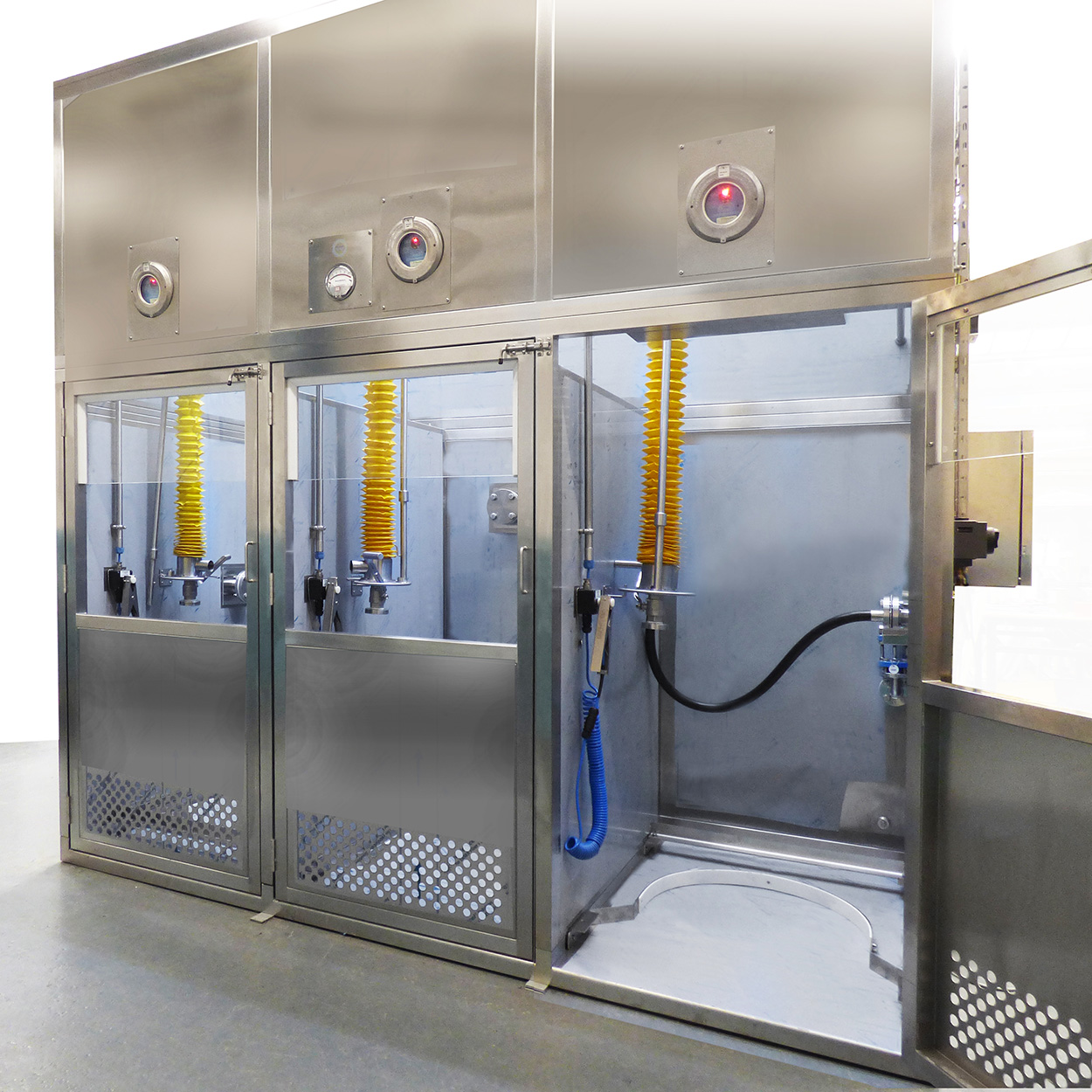
These solvents must be pharmaceutical grade because impurities can directly affect drug safety and stability.
We implement strict solvent recovery systems, purity testing, and residual solvent control to meet ICH and GMP standards.
🔬 4. Reagents and Catalysts
Reagents drive chemical reactions, while catalysts accelerate synthesis and improve selectivity.
🔹 Examples:
Sodium hydroxide and mineral acids
Palladium on carbon catalysts
Iron salts and organometallic compounds
Boranes and specialty alcoholates
These materials are crucial for achieving reaction control, stereoselectivity, and higher yields in modern API manufacturing.
At Swapnroop Drugs and Pharmaceuticals, reaction optimization and catalyst recycling help improve sustainability and cost efficiency.
🌿 5. Natural Source Raw Materials
Some APIs are derived from plant, microbial, or biological sources.
🔹 Examples include:
Artemisinin (from plants)
Fermentation-derived antibiotics
Biotechnological intermediates
Natural extracts are often used as precursors for semi-synthetic drugs and require strict control for variability and contamination.
Our sourcing strategy emphasizes traceability, standardization, and environmental sustainability.
🧂 6. Inorganic Chemicals, Salts & Minerals
Inorganic compounds support reactions, stabilization, purification, and crystallization.
🔹 Common materials:
Calcium carbonate
Magnesium salts
Sodium bicarbonate
Chlorine derivatives and phosphorus compounds
These materials are widely used as reaction components, buffering agents, and purification aids.
At Swapnroop Drugs and Pharmaceuticals, we ensure these materials meet pharmacopeial standards and impurity limits.
🏭 7. Excipients Used During API Processing
Although excipients are mostly linked with formulations, some are also used during API isolation and stabilization.
🔹 Examples:
Stabilizers
Crystallization modifiers
Processing aids
Moisture control agents
Excipients help improve solubility, stability, and handling properties during manufacturing.
We carefully select processing aids to avoid interaction risks and maintain API integrity.
🔐 Importance of Raw Material Quality in API Manufacturing
High-quality raw materials ensure:
✅ Consistent batch quality
✅ Higher process yield
✅ Reduced impurities
✅ Better regulatory compliance
✅ Lower manufacturing risks
Each raw material must meet strict pharmacopeial specifications and supplier audit requirements to ensure patient safety and product reliability.
At Swapnroop Drugs and Pharmaceuticals, our quality systems include:
✔ Approved vendor qualification
✔ Incoming raw material testing
✔ Risk-based classification
✔ Traceability and documentation
✔ Regulatory compliance with USP/EP/ICH
🚀 Conclusion
API manufacturing is only as strong as the raw materials used to build it. From starting chemicals and intermediates to solvents, catalysts, and natural extracts, each component plays a decisive role in determining product quality and process success.
At Swapnroop Drugs and Pharmaceuticals, we believe that precision sourcing, rigorous testing, and scientific process control are the pillars of reliable API manufacturing. By integrating strong supplier networks with advanced quality systems, we ensure that every molecule we produce meets global pharmaceutical standards.


Comments
Post a Comment